
The landscape of modern business is undeniably complex. For organizations undergoing mergers, acquisitions, or significant digital transformations, this complexity often translates into hidden costs, delayed integrations, and even failed initiatives. The sheer volume of applications, data silos, and intertwined systems can feel overwhelming.
But what if you could cut through that complexity, achieving clarity and accelerating value realization?
A recent analyst report from Info-Tech Research Group, titled “From Complexity to Clarity: Exploring SAMU’s Role in M&A, SaaS Optimization, and Digital Transformation,” sheds light on exactly how. We’re incredibly proud that our platform, SAMU.io, has been highlighted as a critical tool for navigating these challenges.
The True Cost of Complexity in M&A
Info-Tech’s analysis underscores a critical pain point for businesses: the protracted timelines and inefficiencies in M&A planning. They pointed to a remarkable example: an organization (formerly DuPont Pioneer) that leveraged SAMU to transform its M&A planning timeline from a staggering two years down to just six months.
Think about that for a moment. That’s a 75% reduction in time, directly translating to:
- Faster ROI: Accelerating the realization of deal value.
- Reduced Risk: Minimizing the window of uncertainty and potential disruption.
- Optimized Resource Allocation: Freeing up invaluable human capital much sooner.
This isn’t just about managing a project; it’s about fundamentally rethinking how organizations integrate and optimize post-merger.
Beyond M&A: The Power of SaaS Optimization and Digital Transformation
While M&A often brings complexity into sharp focus, the core issues – disparate data, lack of visibility, and operational redundancies – are pervasive in any large enterprise. Info-Tech recognized SAMU’s broader impact:
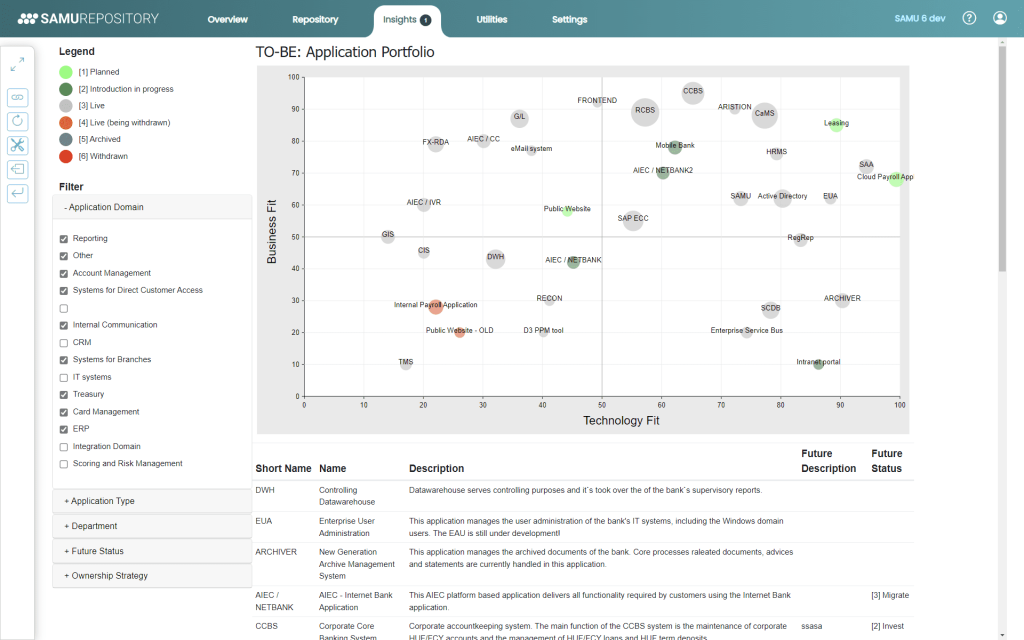
- SaaS Rationalization: In an era of “SaaS sprawl,” identifying underused licenses and redundant applications is no longer optional. It’s a necessity for cost control and operational efficiency. SAMU provides the single source of truth needed to make informed decisions about your application portfolio.
- Risk Mitigation: Every change in a complex IT ecosystem carries risk. Info-Tech highlighted how SAMU’s repository-driven model helps track security zones, technology lifecycles, and interdependencies, allowing organizations to identify potential issues before they become costly errors.
- Dynamic Visualization: The days of static, outdated spreadsheets and manual diagrams are over. SAMU connects business and IT architecture data in a dynamic environment, where changes are automatically reflected. This ensures everyone is working from the most current, accurate information, fostering true collaboration.
The SAMU Difference: Flexibility and Clarity
The Info-Tech report specifically called out SAMU’s strengths in flexibility and pricing models. This speaks to our commitment to providing a powerful, adaptable platform that meets the unique needs of diverse enterprises, from banking and telecom to global agriculture. With blue-chip examples like Vodafone, T-Mobile, and Cloudera, SAMU is proving its enterprise-grade capabilities.
As Info-Tech Research Group analyst Shashi Bellamkonda noted, SAMU “addresses these challenges by centralizing architecture data in a repository-driven model that connects business and IT.”
Ready to Navigate Complexity with Clarity?
Whether you’re facing a critical merger, striving to optimize your SaaS landscape, or embarking on a digital transformation journey, the path to clarity doesn’t have to be arduous. SAMU offers the tools and insights to master complexity and accelerate your strategic objectives.
Want to learn more?
Read the full analyst briefing by Info-Tech Research Group to delve deeper into SAMU’s capabilities and impact. https://www.infotech.com/software-reviews/research/from-complexity-to-clarity-exploring-samu-s-role-in-m-a-saas-optimization-and-digital-transformation
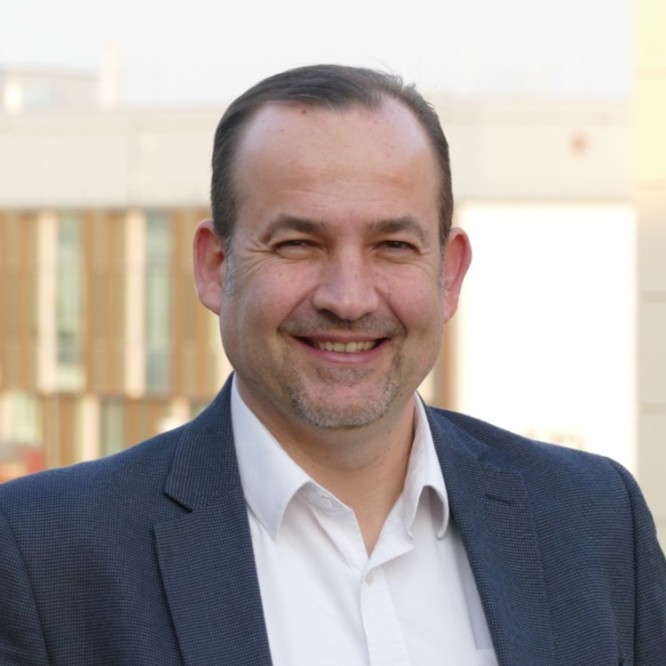
Oliver holds a degree in Economics from the University of California, Berkeley, and was raised in the United States. With over 25 years of extensive experience in sales, business development, and account management, he has specialized in managing enterprise accounts within the Information and Communications Technology (ICT) sector.
For more than eight years, Oliver has been a key contributor at Atoll, where he has played a pivotal role in expanding SAMU’s customer base. Currently, he is focused on growing SAMU’s international presence, with a strategic emphasis on the North American market.
Outside of his professional life, Oliver is a dedicated family man, proud father to a son and daughter. He is passionate about sports, avidly following all major US sports leagues, and actively competes in golf and basketball. His competitive spirit and team-oriented mindset extend beyond the office, reflecting his dynamic approach both professionally and personally.